
Practical travel tips, firsthand honest insights & overlooked local travel advice
Written & compiled by ZhenTour Team | Beijing-based local travel enthusiasts with repeated visits to all Great Wall sections across Beijing
Jinshanling: Where Authentic Great Wall Hiking Truly Begins
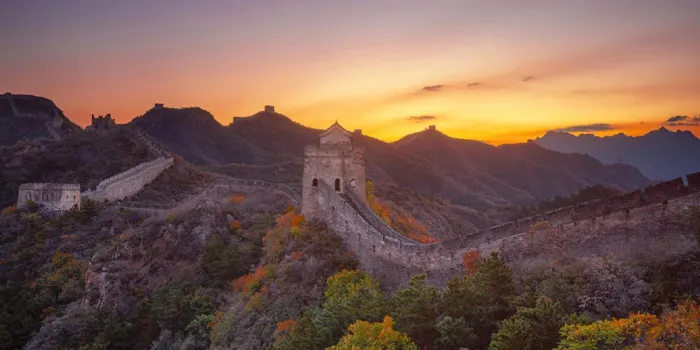
If you only have one day to explore the Great Wall near Beijing, Jinshanling is undoubtedly your top pick. Sitting roughly 140 kilometres northeast of downtown Beijing, this stretch never feels like a polished commercial scenic spot or sanitised tourist attraction. Instead, it preserves the raw, rugged charm of the ancient defensive wall exactly how it stood for centuries.
First constructed between 1368 and 1389 during the early Ming Dynasty, Jinshanling underwent large-scale renovation in 1570 under General Qi Jiguang, a legendary military commander famed for coastal defence and northern frontier fortification. What sets this section apart from all others lies not merely in its sweeping mountain vistas (stunning as they are), but its extraordinary concentration of watchtowers: 158 towers spread across the ridgeline, no two identical in layout and structure. You will encounter brick-and-timber bastions, solid stone towers, dedicated night sentry posts and on-site military storage chambers — architectural features scarcely preserved on more crowded, restored Great Wall stretches.
The classic Jinshanling to Simatai hike remains iconic for seasoned independent travellers, and with good reason. The wall twists and undulates along jagged mountain ridges, unfolding increasingly spectacular scenery the further you trek. Watchtowers exist in varying states of preservation: some fully restored for safe walking, others half-collapsed with weathered bricks and crumbling parapets that carry quiet poetic weight. Treading the same stone slabs where Ming soldiers stood guard hundreds of years ago, gazing out over the unchanged mountain valleys they once patrolled, delivers an immersive emotional experience hard to put into words.
Key Pre-Trip Notes for Jinshanling Hike
- Terrain shifts constantly: flat gentle pathways alternate with near-vertical staircases built for mountainous terrain; restored segments are easy-going, while wilder ruined sections demand full attention and steady footing.
- Reserve a full day for this trip. Total hiking time ranges from 5 to 7 hours, depending on how many towers you pause to explore and how frequently you stop for landscape photography (you will pause constantly for shots).
- Transportation options are limited. Hiring a private driver for the whole day is the most hassle-free choice, granting full control over pickup and drop-off times. Public buses run from central Beijing yet operate on rigid timetables with little flexibility.
- Spring and autumn deliver the most pleasant weather for hiking. Summers bring intense heat and bigger crowds; winter is bitterly cold but rewards visitors with quiet solitude and snow-dusted wall scenery utterly magical.
- Pack essential gear: sturdy hiking trainers, far more drinking water than you estimate needing, high-energy snacks and comprehensive sun protection. Many watchtowers serve as perfect picnic spots — imagine eating a simple sandwich amid ancient ruins, overlooking endless mountain ranges barely altered over a millennium.
Why Was the Great Wall Constructed in the First Place?
The simplistic answer: military defence. The full historical context is far more intricate.
Chinese imperial courts debated the necessity of frontier walls for thousands of years. Proponents argued the fortifications consolidated territorial sovereignty and blocked raids from northern nomadic tribes. Opponents countered that endless wall construction drained national resources, and the barriers would prove useless without permanent military garrisons. Both viewpoints held merit.
The earliest primitive frontier walls emerged before the 7th century BC, shaped entirely by geography. A climatic boundary known as the 400-millimetre annual rainfall line divides northern China sharply: land south of this line boasts fertile soil suitable for farming, while the northern steppe is too arid for agriculture, sustaining only nomadic herding communities. When harsh winters caused livestock shortages in the north, nomadic groups frequently raided agricultural villages southwards. Border kingdoms thus began erecting defensive walls to safeguard their farmlands.
Concise Historical Timeline of Great Wall Development
2600 years ago (Spring & Autumn Period)
Over 200 regional states built segmented defensive walls. The State of Chu constructed what historians recognise as China’s earliest formal Great Wall around 676 BC. These early walls fell into two categories: southern barriers to fend off rival kingdoms, and northern ramparts against steppe nomads.
221 BC | Qin Dynasty Unification
Emperor Qin Shi Huang unified all warring Chinese states, then linked scattered northern frontier walls into one continuous defensive line to resist Hun invasions. This interconnected wall stretched from modern Gansu all the way to the Korean Peninsula, closely tracing the 400mm rainfall line — a clear geographical marker separating agricultural civilisation from nomadic life. UNESCO World Heritage listing details the global significance of this achievement.
202 BC | Han Dynasty
The Han court extended the wall far westwards to secure the Silk Road trading routes. This iteration became the longest version in history, exceeding 10,000 kilometres in total length, safeguarding transcontinental trade that reshaped global civilisation.
1368–1644 | Ming Dynasty
Nearly all the Great Wall visible to visitors today was built during the Ming era. Besieged by recurring incursions from Mongol and Jurchen tribes, Ming rulers poured immense manpower and materials into frontier fortification. Builders adopted fired bricks, roof tiles and lime mortar mixed with glutinous rice paste for superior durability; gun embrasures, observation slits and imported Portuguese artillery were integrated into tower designs. General Qi Jiguang, the same commander who renovated Jinshanling, oversaw large-scale wall construction across northern Beijing’s mountain frontiers.
Post-1644 | Qing Dynasty
The Qing imperial family were Manchu people — the very ethnic group the Ming Wall was originally built to repel. The court halted all new wall construction, prioritising diplomatic governance with northern border peoples over physical ramparts.
1953 onwards
Chairman Mao ordered the restoration of the Badaling section specifically for tourism, opening the Great Wall to global visitors and laying the foundation for today’s cultural landmark.
Multi-Functional Roles Beyond a Simple Defensive Barrier
The Great Wall was never merely a stone barrier; it operated as a complete integrated system:
- Ancient long-distance signal network: Beacon towers transmitted emergency alerts rapidly — smoke signals by daylight, bonfires after dark. Once one tower spotted an incoming invasion force, it lit its beacon, triggering a chain reaction across the entire ridgeline, relaying warnings far faster than human messengers on foot or horseback.
- Military transport highway: The wide paved top of the wall allowed troops and supplies to move swiftly along mountain crests, rushing reinforcements to threatened border passes without navigating winding valley trails.
- Full-spectrum frontier defence ecosystem: The entire complex incorporated mountain natural barriers, watchtowers, beacon stations, fortresses and permanent military villages working in tandem.
The Great Wall Sections Ranked: Best to Skip (10 Major Stretches Reviewed Honestly)
Stretching over 6,000 kilometres across 15 Chinese provinces, Great Wall segments range from fully renovated crowded tourist hubs to abandoned crumbling wild ruins. Below is our unbiased ranking based on hiking experience, scenery, crowd levels and practical travel value, from least recommended to most worthwhile.
10. Shanhaiguan
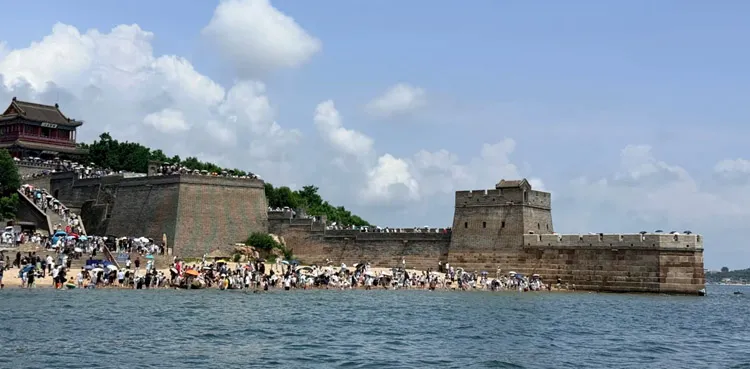
Nicknamed the Dragon’s Head — the eastern terminus where the Great Wall plunges directly into the Bohai Sea. The original ancient wall collapsed centuries ago; what stands today is a modern reconstruction. Surrounding unrenovated fortifications around Qinhuangdao retain authentic aged character, and the local museum delivers detailed chronological coverage of Great Wall history.
Only worth visiting if your itinerary already covers eastern Hebei; we would not plan a dedicated trip solely for this site.
- Travel time from Beijing: 3 hours by high-speed train
- Suggested stay: Half day minimum
- Opening hours: 08:00 – 17:00
9. Huangyaguan
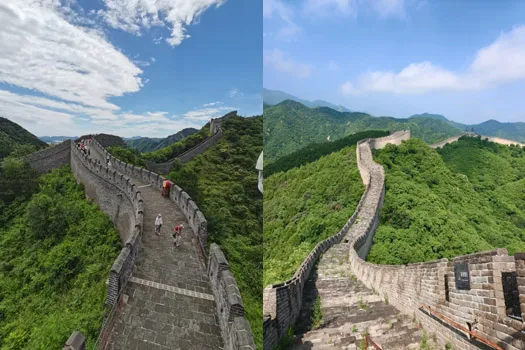
Nestled amid dramatic mountain valleys, this 40-kilometre stretch boasts well-preserved Ming towers and clever water gate systems whose arches could be opened or sealed to block enemy advances. The vertiginous Huangya Sky Ladder offers breathtaking panoramic mountain views. A marathon event is hosted here every May, though this period brings far larger crowds.
- Travel time from Beijing: 2.5 hours by bus
- Suggested stay: Full day
- Opening hours: 08:30 – 16:30
8. Juyongguan
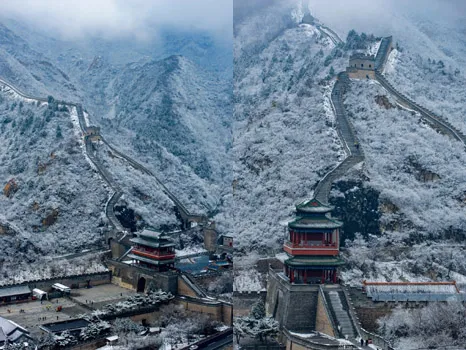
Just 1.5 hours northeast of Beijing, prized for unbeatable convenience and profound historical significance. Juyong Pass Fort ranks among the most architecturally impressive Great Wall fortresses; Genghis Khan twice breached this strategic pass in 1211 and 1213. Pair a visit here with the nearby Dingling Tombs (the only excavated Ming imperial mausoleum open to the public) if you enjoy Chinese imperial history.
Large tourist groups are unavoidable here year-round.
- Access: Direct public bus service available
- Opening hours: 08:00 – 17:00
7. Gubeikou
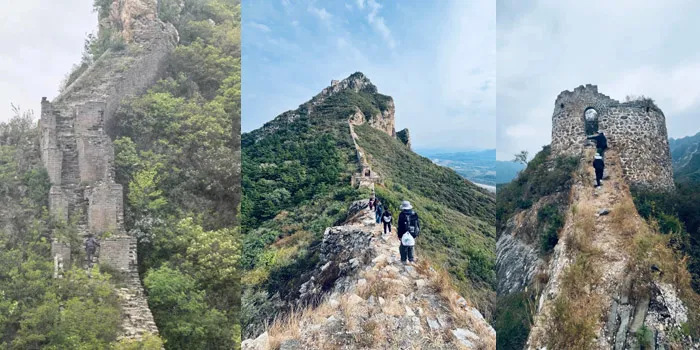
A true wild Great Wall gem. Largely unrestored for over 450 years, crumbling battlements and ruined bastions stretch endlessly across the mountains. Occupying a vital Yan Mountain frontier pass guarding Beijing, this section witnessed more than 130 historic battles, with no renovation works carried out after 1567. Peaceful and crowd-free on most days, its biggest advantage.
- Access: Bus departs from Beijing’s Dongzhimen Transport Hub
- Suggested stay: Full-day hiking trip
- Critical note: No shops, rest areas or drinking water facilities on-site; pack all supplies you need
- Opening hours: Daylight hours only
6. Simatai
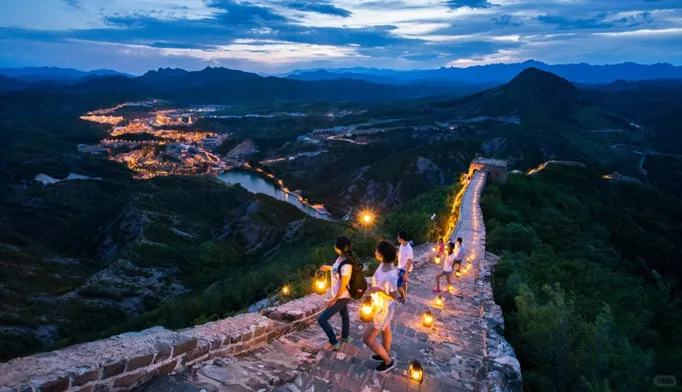
Famous for sheer vertical drops on both wall sides, enough to make even seasoned hikers grip handrails tightly. One of the very few Great Wall sections offering official night tours, illuminated dramatically after sunset. Its iconic Sky Bridge measures merely 40 centimetres wide, highly challenging for visitors with a fear of heights. Additional activities include zip-lining across valleys and boat rides on the adjacent reservoir.
Most travellers combine Simatai with Jinshanling for a seamless full-day ridge hike. Night visits require advance online reservation.
- Travel time from Beijing: 2 hours
- Daytime hours (Summer): 08:00 – 18:00 | (Winter): 08:00 – 17:30
- Night hours (Summer): 18:00 – 22:00 | (Winter): 17:30 – 21:00
5. Huanghuacheng
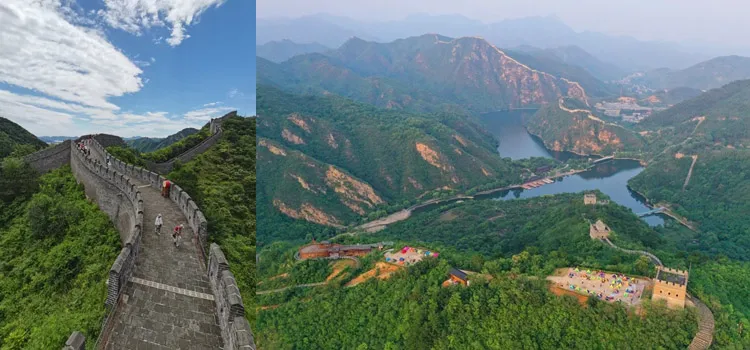
Known widely as the Lakeside Great Wall — the sole section built alongside a freshwater reservoir, with portions of the ancient wall partially submerged beneath lake water. Most structures remain unrenovated since 1592, named after vibrant yellow wildflowers blooming across hillsides each summer. Extremely tranquil and uncrowded most days; hiking here alone amid mountains and water is a serene, rare experience. A lake boat tour provides a completely unique perspective of the wall from below.
- Travel time from Beijing: 1.5 hours northbound
- Suggested stay: Half day sufficient
- Opening hours: 08:00 – 17:00
4. Jiankou
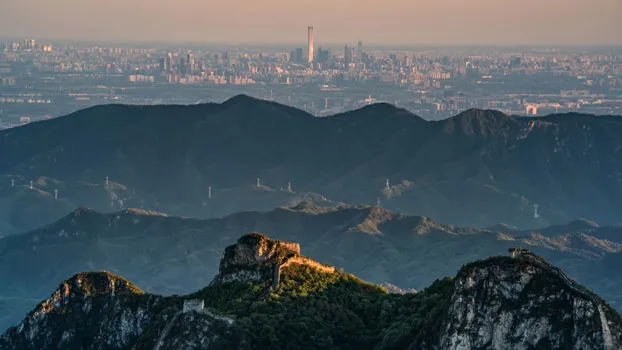
Strict safety warning upfront: This wild section carries genuine hiking risks, not exaggerated caution. Completed in 1368, no official restoration work has ever taken place here. Trees and shrubs grow through fractured brickwork, and legendary perilous segments including Flying Eagle Upward and Heavenly Ladder feature precipitous slopes. The Beijing Knot, where three wall branches converge, is its core highlight.
Not suitable for hiking beginners, travellers with limited mobility or children.
- Updated regulation (2026): All entry checkpoints bar unguided hikers, foreign visitors included; a licensed local guide is mandatory for access.
- Temporary closures: Shut during June–August rainy season and spring wildfire prevention periods.
- Official status: Not formally opened to mass tourism
- Suggested plan: Full-day hike; overnight village camping options available
- Facilities: Zero on-site amenities
3. Badaling
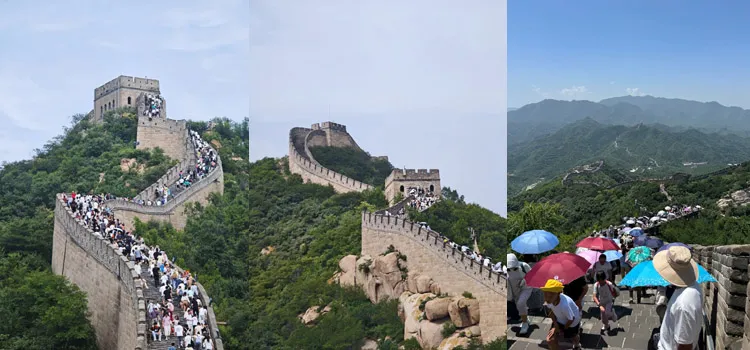
The most globally renowned Great Wall section worldwide. Completed in 1504, extensively restored, impeccably maintained, and swarmed with tourists year-round. Heads of state including Richard Nixon and Queen Elizabeth II have visited Badaling. Comprehensive amenities cover restaurants, retail stores and dual cable car systems. Official Badaling website provides real-time ticketing and visitor capacity updates.
Its major downside: overwhelming crowds throughout peak travel seasons. If maximum convenience is your top priority and you do not mind shared crowded spaces, this is your ideal pick. Arrive before 7 AM to beat tour groups.
- Distance from Beijing: 70 km northwest
- Access: Convenient high-speed train & bus routes
- Suggested stay: Half day viable
- Opening hours (Summer): 06:30 – 16:30 | (Winter): 07:30 – 16:00
2. Jinshanling
Consistently voted the most visually stunning Great Wall stretch by outdoor travellers worldwide, and it is easy to understand why. A perfect balance of restored safe pathways and untamed ruined ridges, with varied scenery across its 10.5-kilometre span housing 67 distinctive watchtowers. The ridge hike extending towards Simatai delivers panoramic mountain views that linger long after your trip concludes. Book tickets and check updates at the official Jinshanling website.
Limited on-site facilities mean packing food and drinking water is essential; avoid hiking after rainfall, as stone surfaces become extremely slippery.
- Travel time from Beijing: 2.5 hours
- Best paired with: Simatai one-day traverse hike
- Opening hours: 08:00 – 17:00
- Contact: 0314-8830222
1. Mutianyu
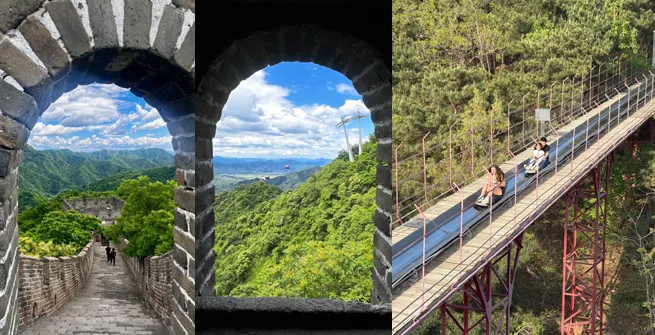
Many first-time visitors default to Badaling due to its fame, yet Mutianyu offers an overall superior experience. Closer to Beijing than Jinshanling, far less congested than Badaling, with equally lush mountain scenery all around. Lush woodland blankets surrounding hills, framing rows of ancient watchtowers along the ridgeline. You can hike upwards independently or take the cable car for effortless ascent, and the highlight downhill toboggan slide delivers joyful, lighthearted fun for all ages. The Mutianyu English website offers online ticketing with foreign currency support.
Tour groups still visit Mutianyu, yet strategic early arrival lets you easily discover quiet empty stretches along the wall. Boasting the longest fully renovated continuous Great Wall segment near Beijing, it serves as the perfect introductory Great Wall experience for international independent travellers.
- Travel time from Beijing: 1.5 hours
- Cable car service: Year-round operation
- Suggested stay: Half day possible
- Opening hours (Summer): 07:30 – 17:30 | (Winter): 08:00 – 17:00
- Contact: 010-61626928 (tickets) | 010-61626022 (groups)
Badaling vs Mutianyu: The Core Choice for Day Trippers
For travellers based in Beijing with only one spare day, these two developed sections are your primary options, heavily promoted by all mainstream tour agencies. Yet their travel atmospheres differ drastically.
Badaling: The Iconic, Crowded Landmark
✅ Advantages
- Unmatched transport convenience: High-speed train journey takes merely 20–30 minutes
- Wide, reinforced paths with secure handrails throughout
- Full amenities: Cafés, souvenir shops, restaurants, dual cable car & slide services
❌ Disadvantages
- Severe overcrowding during spring, summer and national holidays; visitors shuffle slowly in tight queues
- Overly commercialised renovation makes parts feel like a themed park rather than ancient heritage
- Historic brick surfaces bear extensive tourist carvings and graffiti damage
Best suited for: First-time Great Wall visitors, families with toddlers, senior travellers, anyone prioritising seamless hassle-free travel above scenery and quietness. Badaling official site has full ticketing and transport details.
Mutianyu: The Greener, More Relaxed Alternative
✅ Advantages
- Lush mountain vegetation creates dramatic backdrops for landscape photography
- Roughly 50% fewer visitors than Badaling on identical dates
- Famous downhill toboggan slide is an unforgettable leisure activity
- Restored subtly, retaining authentic ancient aesthetic without over-commercialisation
❌ Disadvantages
- Further from central Beijing; requires dedicated shuttle buses or private cars
- Still receives organised tour groups, just on a smaller scale
- Round-trip transfer fares are slightly higher
Best suited for: Photography enthusiasts, couples, families with older children, travellers seeking a laid-back uncrowded hiking vibe. Visit Mutianyu official English site for 2026 summer all-day tourism program updates.
Detailed Transportation Breakdown
How to Reach Badaling
High-speed Train (Our Top Recommendation)
Depart from Beijing North Station or Qinghe Station to Badaling Great Wall Station, 20–30 minutes ride total. Book tickets well in advance for weekends and holidays; ticket checking terminates 12 minutes prior to departure, so never arrive last minute. Badaling now implements real-name ticketing with daily visitor caps — reserve through ticket.badaling.cn or the official WeChat account.
Bus 877
Departs from Deshengmen Gate downtown, ¥12 one-way fare, around 1 hour travel time. Prone to lengthy traffic jams on weekends and public holidays.
General Tourist Shuttles
Departure points include Qianmen and Shaoyaoju, journey time ~1.5 hours. Not our preferred choice for independent travellers.
How to Reach Mutianyu
Official Dedicated Tour Shuttle
Regular departures from the Qianmen area, round-trip fare approx ¥80, dropping passengers directly at the scenic entrance gate. Check Mutianyu’s official site for current shuttle schedules.
Private Car Transfer
Costlier yet fully flexible scheduling; book via local ride-hailing platforms or hire a day driver, excellent value for small travel groups.
Total Time Budget Estimates
- Badaling (High-speed train round trip): 6–8 hours door-to-door. Train rides are quick, yet station transfers, waiting times, ticket and cable car queues add significant time. A half-day itinerary will feel rushed.
- Mutianyu (Tour bus round trip): 7–9 hours total. Planned 1.5-hour drives often extend to 2.5 hours with weekend traffic; avoid scheduling evening plans on the same day.
- Jinshanling (Private car + full hike): Mandatory full-day trip. 2.5 hours driving each way, 5–7 hours hiking; depart Beijing by 7 AM, return around 8 PM.
- Simatai Night Tour: Either allocate a full day or stay overnight at nearby Gubei Water Town. Returning to central Beijing after the evening session will get you back extremely late.
- Jiankou Wild Hike: Never attempt a one-day round trip; book overnight accommodation in a nearby mountain village.
Tickets & On-Site Transport Fees
Entrance Ticket Prices
- Badaling: ¥40 peak season | ¥35 low season [source]
- Mutianyu: ¥40 year-round
- Free entry: Visitors under 18 years old & seniors aged 60+ (valid ID required)
- Half-price concession: Students with official student identification cards
Booking tip: Reserve tickets ahead via official WeChat mini-programs or official websites; avoid third-party unauthorised resale websites. Badaling has implemented a daily visitor cap of 65,000 since 2019 [source: China Daily].
Cable Car / Gondola
- One-way: ¥100 | Round-trip: ¥140
- Badaling: Northern cable car terminates near Tower 7; southern ground cable car reaches Tower 4
- Mutianyu: Cable car ascends directly to Tower 14
Toboggan Slide
- One-way fare: ¥80, only purchasable on-site
- Badaling: Slide entrance located beside Tower 4, ideal for downhill descent
- Mutianyu: The resort’s signature leisure experience, hugely popular with visitors
Curated Hiking Routes by Fitness Level
Badaling Northern Route (Classic Challenging Hike)
- Route: Tower 1 → Tower 8 → Tower 12
- Duration: 2–3 hours
Tower 8 marks the highest peak, widely known as Hero Slope, involving a steep uphill climb. Crowds thin out considerably past Tower 8, with expansive unobstructed mountain views unfolding ahead. If your stamina is limited, hike up to Tower 8 then take the cable car back down.
Badaling Southern Route (Easy Leisure Walk)
- Route: Tower 1 → Tower 4 → Tower 7
- Duration: 1–1.5 hours
Far gentler gradients, minimal crowds and easy on knees, perfectly tailored for seniors and families with young kids. Tower 4 delivers fantastic panoramic views without gruelling uphill treks.
Mutianyu Scenic Route with Toboggan Descent
- Route: Cable car up to Tower 14 → Hike to Tower 20 → Toboggan slide downhill
- Duration: 2–3 hours
Our most recommended Mutianyu itinerary. Skip the toughest ascent via cable car, wander the most photogenic wall stretch, then finish with the fun 10-minute toboggan ride down the mountainside.
Custom Gentle Routes for Seniors & Low-Stamina Travellers
We have encountered numerous hikers in their 70s and 80s exploring the Great Wall comfortably with careful route planning:
- Paced Independent Walk: Badaling Northern Route (Tower 1 to Tower 8): Stop frequently to rest, turn back whenever you feel fatigued. Most elderly hikers comfortably reach Tower 4 to Tower 7 before returning downhill.
- Cable Car + Short Stroll (Most Comfortable Option): Take the cable car uphill for sweeping aerial mountain vistas, then complete only flat, non-steep walking sections afterwards. Zero exhausting climbing required.
- Walk Up, Toboggan Down: Perfect for bus travellers. Ascend slowly at your own pace, then ride the toboggan downhill to spare knees from steep downward steps.
- Badaling Southern Section: The flattest, quietest official stretch. Return along the same path or take the cable car down from Tower 4.
Supplementary notes: Visitors over 60 enter free with valid ID; cable car tickets available pre-booked or on-site; toboggan tickets sold exclusively at the slide entrance. Badaling accepts on-site ticket purchases with valid ID and does not require advance reservations [source].
Practical On-Site Travel Tips
Luggage Storage
Free multi-size smart lockers are available near Badaling’s pedestrian entrance, beside the Qingfeng Baozi restaurant. Simply scan the QR code to access. Always travel light for wall hiking.
Food & Water Supplies
Drinks and packaged snacks are priced significantly higher on the wall ridges. Carry sufficient bottled water and high-energy snacks for long hikes; small food stalls exist yet offer limited choices.
Clothing & Footwear Rules
Non-slip sturdy trainers are non-negotiable. Most wall steps exceed 45 degrees in gradient, uneven and slippery when damp; sandals, slippers or flat casual shoes lead to slips and falls instantly.
Dress in layered clothing: spring and autumn temperatures fluctuate drastically, with strong winds persistent atop mountain ridges. Sun hats, sunglasses and sunscreen are essential on clear days.
Best Arrival Time
Reach the scenic area before 7–8 AM. Tour groups flood all wall sections after 10 AM, leaving every viewing platform packed. Early mornings grant you quiet stretches of the wall for unhurried photos.
Return Transport Arrangements
If taking the high-speed train back to Beijing, purchase return tickets in advance. Train tickets sell out rapidly on weekends and holidays.
Scam Avoidance
Steer clear of ultra-cheap one-day tours advertised online or by street vendors. Packages promising unrealistically low prices almost always include hidden fees, mandatory shopping stops and rushed compressed itineraries.
Overlooked Details: Signal, Toilets, Children & Pets
Mobile Phone Signal Coverage
- Developed sections (Badaling, Mutianyu): Stable 5G signal at main viewing platforms; coverage weakens inside cable cars and steep valley areas.
- Mid-tier hiking sections (Jinshanling, Gubeikou): Intermittent patchy signal; full coverage only along main mountain ridgelines, no service in valleys and tower interiors.
- Wild unrestored sections (Jiankou): Virtually no mobile signal whatsoever — a core reason a licensed guide is required for safety emergencies.
Pro tip: Download offline topographic maps beforehand. China Unicom and China Telecom provide superior mountain coverage compared to China Mobile; public Wi-Fi hotspots do not exist on any Great Wall stretch.
Toilet Access (Most Commonly Overlooked Pain Point)
Hard rule: No public restrooms are built anywhere on the Great Wall ridges themselves.
Badaling and Mutianyu only have restroom facilities at main entrance plazas, before you begin climbing the wall. Many travellers end up hiking an extra hour back to cable car stations urgently after failing to use facilities beforehand.
Practical advice:
- Always use restrooms at the entrance gate before ascending the wall
- Sip water moderately instead of drinking large amounts at once
- Utilise every cable car station rest area when passing through
- Summer heat accelerates perspiration, reducing the need for frequent toilet breaks, yet never compromise hydration.
Wild sections including Jiankou and Gubeikou have zero toilet facilities entirely.
Travelling with Children
- Badaling: Highly kid-friendly. Secure handrails, cable car options and flat rest areas exist everywhere, though crowds render strollers useless. For children under 4, book round-trip cable car tickets entirely.
- Mutianyu: Equally suitable for families. Enclosed gondola cable cars feel safer for young kids; the toboggan slide has official age and height restrictions, confirm rules on arrival. Uneven steps require constant adult supervision for toddlers.
- Jinshanling: Not recommended for children under 10. Long hiking hours, unguarded steep drops and exposed ridges pose safety risks.
- Jiankou: Strictly no children permitted.
Pet Policy
- Badaling & Mutianyu: Domestic pets are officially prohibited across all scenic zones.
- Remote wild unrestored sections: Some less regulated mountain stretches allow leashed pets, yet terrain is far too harsh for dogs to traverse comfortably.
- Pet-friendly accommodation near the Great Wall includes Commune by the Great Wall. We never advise bringing pets to rugged wild wall hikes.
The Deeper Meaning of the Great Wall
The Great Wall is frequently simplified into superficial labels: defensive border barrier, top tourist landmark, national cultural symbol. All descriptions hold truth, yet none capture the profound feeling of walking upon its ancient bricks.
It is a tangible archive spanning over two millennia of Chinese history, constructed by countless ordinary people across successive dynasties. Stepping onto its stone surfaces is not merely sightseeing; it is connecting with the untold stories of labourers, soldiers and frontier communities who built, guarded and lived alongside this monumental structure.
Geography Shaped Its Entire Existence
Northern China’s frontier is defined by harsh contrasting landscapes: fertile agricultural plains to the south, windswept arid steppe to the north, home to two entirely distinct civilisations constantly interacting and clashing. The Great Wall was meticulously built following mountain ridgelines, rivers and natural valleys, adapting fully to local terrain conditions.
Crucial myth correction: It is not one single continuous wall. The Great Wall refers to an interconnected defensive network of segmented ramparts, natural mountain barriers and fortifications constructed across centuries.
Exceptional Ancient Engineering
Architectural designs adapt seamlessly to varied landscapes: ridgeline construction across mountains, rammed earth barriers in desert regions. Wall width and height shift constantly according to military needs; some stretches are wide enough for two horses to ride side-by-side. Watchtowers integrated observation, signal transmission and material storage functions, practical, flexible and technologically advanced for its era.
The Immense Human Cost
Millions of labourers contributed to wall construction over hundreds of years, working through sweltering summers and freezing winters, hauling massive stone blocks up steep slopes without modern machinery. Countless perished from exhaustion, illness and accidents along the way, earning it the sombre moniker “the world’s longest cemetery”. Most builders were conscripted peasants, prisoners and garrison soldiers, forced into compulsory labour — their suffering remains an inseparable part of the monument’s grand legacy.
Debunking Persistent Popular Myths
- ❌ Myth: Visible from outer space
Fact: Astronauts confirm it is barely distinguishable even from low Earth orbit. - ❌ Myth: One unbroken continuous wall stretching thousands of kilometres
Fact: Massive gaps exist across mountainous and desert regions. - ❌ Myth: Built solely to repel Mongolian tribes
Fact: Initial construction began centuries before Mongolian ethnic groups rose to power. - ❌ Myth: Workers’ bodies were buried inside wall brickwork
Fact: No archaeological evidence supports this widespread folk legend.
Lesser-Known Fascinating Facts
- It functions as a complete military fortress system: overlapping defence lines, barracks, communication beacon chains and garrison towns.
- The best-preserved sections all lie within 1–2 hours of central Beijing, reserved for imperial frontier defence historically.
- Wall materials vary by region: grey fired brick in eastern mountains, yellow compacted earth in western deserts, moss-covered stone in humid northern hills.
- Glutinous rice was blended into lime mortar for enhanced adhesion; traces of this durable mixture remain intact after 500+ years.
- Over 90% of the total Great Wall length consists of wild, unrestored ruins; less than 10% is renovated and open to tourists.
- Beacon towers used multi-layered alert signals: smoke by day, bonfires by night, paired with flags, drums and artillery fire for emergency notifications.
- Arrow slits followed precise mathematical angles (0.6m wide, 1.8m tall, 12° inclination) to maximise shooting range while minimising wind interference.
- Protected ecological zones surrounding the wall host over 1,000 plant species and 300 animal species, including rare snow leopards and black-necked cranes.
Closing Thoughts
The Great Wall is never merely a checklist landmark to tick off your travel bucket list. Its lingering atmosphere — mountain wind sweeping across ancient bricks, quiet solitude atop empty ridgelines, tangible traces of history everywhere — leaves a lasting impression long after your journey concludes.
Walk its paths, touch the weathered bricks, pause inside a watchtower to gaze across endless mountain ranges, and reflect on the generations who built and guarded this monumental heritage.
The Great Wall endures not because it remains perfectly unchanged, but because its historical and cultural significance continues to resonate with travellers worldwide.
Compiled & edited by ZhenTour Team | Beijing-based local travel enthusiasts with repeated field visits and detailed collation of all Beijing Great Wall sections. All content consists of firsthand hiking experience, verified historical facts and unbiased travel advice, with no paid advertisements or commercial promotions included. The Great Wall was inscribed as a UNESCO World Heritage Site in 1987.